

Can Electric Sightseeing Cars Significantly Reduce Carbon Footprints in Tourist Cities
2026-03-05
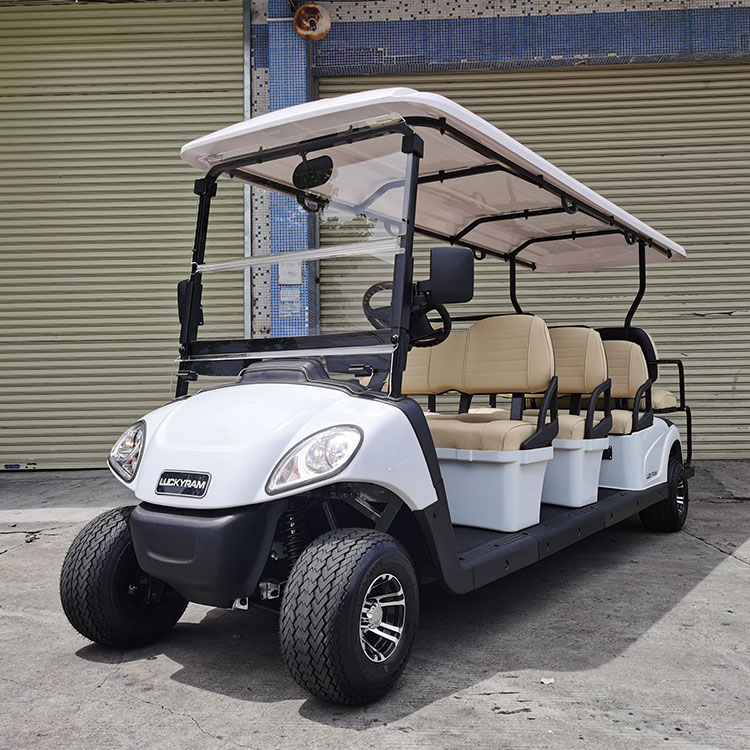
As tourist cities grapple with the dual challenges of growing visitor numbers and climate commitments, the transportation sector remains a primary source of urban emissions. Traditional tour buses and shuttle fleets, often running on diesel, contribute heavily to local air pollution. This raises a critical question: can electric sightseeing cars significantly reduce carbon footprints in tourist cities? For destinations looking to innovate, solutions like those from Luckyram demonstrate that the shift to electrified tourism mobility is not just an environmental gesture, but a measurable strategy for urban sustainability.
The Environmental Impact of Tourism Transport
To understand the potential of electric sightseeing cars, we must first examine the baseline emissions of conventional tourism transport. The following table compares the typical annual emissions of different sightseeing vehicles operating in a medium-density tourist city.
| Vehicle Type | Average Fuel Efficiency | Annual Mileage (Est.) | Estimated CO2 Emissions (Tons/Year) |
|---|---|---|---|
| Diesel Tour Bus | 6 MPG | 15,000 miles | 20+ Tons |
| Gas-Powered Shuttle | 12 MPG | 15,000 miles | 10 Tons |
| Electric Sightseeing Car | 2 mi/kWh (Equivalent) | 15,000 miles | 0 Tons (Tailpipe) |
As the data illustrates, the transition to electric sightseeing cars eliminates tailpipe CO2 emissions entirely. While the source of electricity generation does affect the "well-to-wheel" footprint, the efficiency of electric motors means that even on grids with mixed energy sources, the overall carbon output is drastically lower.
Key Areas Where Electric Sightseeing Cars Drive Decarbonization
Beyond raw emissions data, the integration of electric sightseeing cars into urban infrastructure supports decarbonization in several specific ways:
-
Zero Tailpipe Emissions in Congested Zones: Tourist cities often feature historic districts or pedestrian-heavy areas where air quality is poorest. Electric sightseeing cars operate silently and without local exhaust, directly improving public health in these sensitive zones.
-
Energy Efficiency: Electric powertrains convert over 77% of electrical energy from the grid to power at the wheels. Internal combustion engines only convert about 12%–30% of the energy in gasoline.
-
Noise Pollution Reduction: While not a direct carbon metric, noise pollution is a form of environmental impact. The quiet operation of electric sightseeing cars preserves the ambiance of natural and historical tourist sites.
The Role of Luckyram in Sustainable Tourism
For cities and tour operators seeking to make this transition, Luckyram offers a range of vehicles designed specifically for the demands of tourist environments. By choosing a Luckyram electric sightseeing car, operators are investing in proven technology that aligns with global sustainability goals. The durability and efficiency of these vehicles ensure that the carbon footprint of manufacturing is quickly offset by the savings achieved during operation.
Frequently Asked Questions About Electric Sightseeing Cars
Q: How much can a city actually reduce its carbon footprint by switching its tour fleet to electric sightseeing cars?
A: The reduction is substantial and immediate. If a tourist city with a fleet of 50 diesel tour buses replaces them with electric sightseeing cars, they could eliminate roughly 1,000 tons of CO2 emissions annually. This is equivalent to removing over 200 passenger vehicles from the road each year. For the city's carbon accounting, this directly contributes to scopes 1 and 2 emission reduction targets, making the destination more attractive to eco-conscious travelers.
Q: Are electric sightseeing cars practical for long tours and hilly tourist routes?
A: Modern electric sightseeing cars, particularly those manufactured by experienced brands like Luckyram, are engineered for a variety of terrains. Advances in battery technology have significantly extended range capabilities, with many models now offering between 80 to 120 miles on a single charge. Furthermore, electric motors provide excellent torque, making them surprisingly capable on hilly routes. Regenerative braking systems also help recapture energy during descents, extending range and reducing brake wear.
Q: What is the total cost of ownership compared to a traditional gas-powered sightseeing vehicle?
A: While the initial purchase price of an electric sightseeing car can be higher, the total cost of ownership over the vehicle's lifetime is generally lower. Electricity is significantly cheaper than diesel or gasoline on a per-mile basis. Additionally, electric sightseeing cars have far fewer moving parts than internal combustion vehicles. This translates to lower maintenance costs—no oil changes, no exhaust system repairs, and significantly reduced brake maintenance due to regenerative braking. Operators typically see a return on investment within a few years through fuel and maintenance savings alone.
Conclusion
The evidence is clear: transitioning to electric sightseeing cars is one of the most effective actions tourist cities can take to lower their environmental impact. By adopting this technology, destinations not only protect their natural and cultural assets but also enhance the visitor experience. Luckyram is committed to powering this green revolution with reliable, efficient, and stylish vehicles.
Ready to electrify your fleet and make your tourist city a leader in sustainability? Contact us today to learn more about our range of electric sightseeing cars and find the perfect model for your operation.