

LED Fog Light Bulb Wholesale Guide to Choosing the Right Products for Your Business
2026-09-01
Finding the right LED fog light bulbs for your wholesale lineup is harder than it looks—one wrong pick and you're left with dead stock and angry customers. This guide strips away the hype and walks you through what actually matters: beam pattern, lumen output, durability, and whether the bulbs can survive real-world abuse. We've seen too many businesses burn cash on cheaply made imports that fail within weeks. That's why LUXFIGHTER focuses on high-performance, long-lasting options that your buyers will trust and reorder. If you're tired of guesswork and want a purchasing strategy that protects your margins, the following breakdown is your shortcut to making confident decisions.
Reading Fog Light Specs Without Falling for Marketing Hype
Fog light packaging loves to shout about lumens, but raw brightness rarely tells you how well a light will cut through actual fog. A 10,000-lumen bar might blast a white wall of glare right back at you, while a modest 2,000-lumen lamp with a sharp, low cutoff puts usable light exactly where you need it—on the road edges, not in your eyes. Check the beam pattern diagram before the lumen count: a wide, flat spread with a hard horizontal cutoff is what separates a true fog light from a generic off-road pod.
Color temperature is another spec that gets spun into nonsense. "Super white 6500K" sounds high-tech, but in fog, shorter wavelengths scatter more. Amber or selective yellow light—usually rated around 2500K to 3000K—reflects less off water droplets, keeping contrast on the pavement. If the manufacturer doesn't list the actual Kelvin rating and just says "white" or "blue," assume it was designed for looks, not weather.
Durability claims deserve the same skepticism. "IP68 waterproof" means nothing if the housing is thin polycarbonate that fogs internally after a month. Look for a lens made of hardened glass or UV-stable polycarbonate, an aluminum body with actual heat fins, and a breather membrane that prevents condensation without letting water in. If the spec sheet skips materials and only touts a "lifetime warranty," that warranty usually covers replacement of the same flawed design—not your time on the side of a rainy road.
Picking Bulb Housings That Survive Heat and Moisture
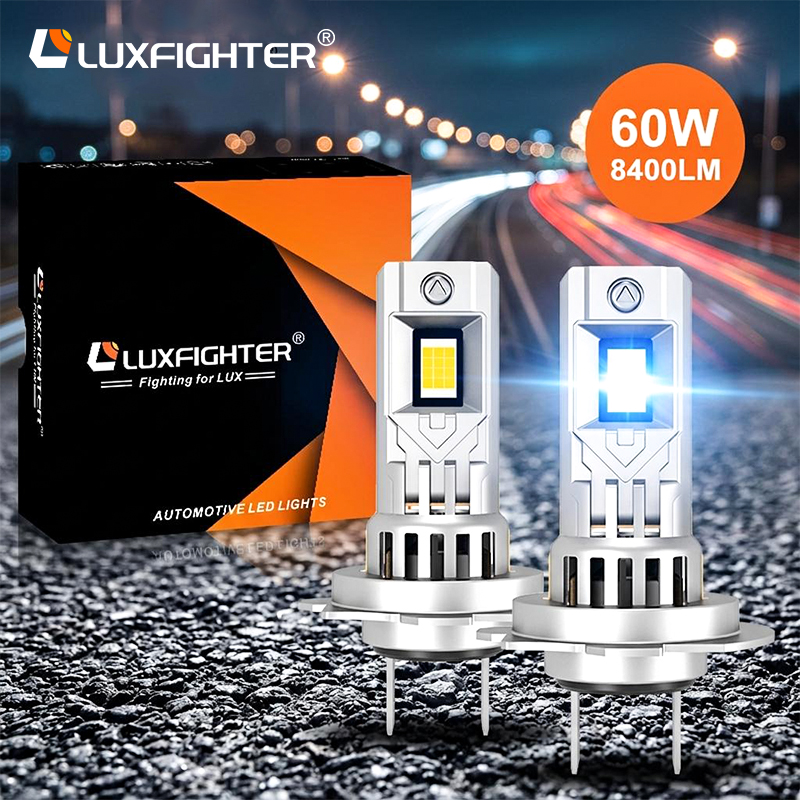
Many outdoor fixtures fail early because the housing traps heat or lets water sneak in around the lens. Look for cast aluminum or powder-coated steel bodies with sealed seams, not thin stamped metal that warps after a single summer. A deep housing with internal heat fins gives the LED driver room to breathe, while a thick silicone gasket around the glass keeps humidity from fogging the inside. If you live near the coast, skip anything with exposed steel screws—they will rust shut within a year.
Check the IP rating before you buy: IP65 handles rain and dust, but for areas with heavy morning dew or sprinkler overspray, aim for IP66 or higher. Some fixtures use a breathable membrane to equalize pressure without letting moisture in, which prevents the vacuum effect that draws water through tiny gaps as the bulb cools. Avoid housings with sharp internal edges or narrow necks where condensation can pool and drip onto the socket.
Finally, think about how the bulb mounts. A housing that holds the lamp base vertical lets heat rise away from the contacts, while sideways or upside-down sockets trap that heat around the driver. Twist-and-lock bulb retainers with a spring-loaded contact outlast simple friction-fit sockets in humid climates, because the spring maintains pressure as metal expands and contracts. Test the housing empty first: close it up, run a hose over it, and look for any bead of water inside the glass before wiring it in.
Building a Supplier List You Can Actually Trust
Most supplier lists fail because they're built on speed, not substance. Anyone can pull names from a trade directory or grab the first five results from an online search, but a list you can actually trust takes a different approach. It starts with knowing what “trustworthy” means for your own operation—on-time delivery, consistent quality, minimum order flexibility, or maybe the willingness to share third-party audit reports without hesitation. When you pin down those specific requirements first, the list stops being a random collection and starts becoming a tool you can lean on.
The real filtering happens when you stop asking for references and start asking for evidence. A supplier can hand you three glowing testimonials, but those are curated by definition. Instead, ask about their defect rate over the last twelve months, how they handle a late shipment, or what their average response time is when a production issue comes up. Listen for hesitation, look for patterns in their answers, and don't be afraid to request a small trial order before adding anyone to your permanent roster. Trust isn't declared—it's demonstrated through repeated, boring, unglamorous reliability.
Finally, a trustworthy supplier list is never finished. You might add a new source that outperforms an old one, or drop a long-standing vendor after two consecutive quality dips. The list should be reviewed every quarter, with notes attached to each name: what went well, what went wrong, what you learned. Over time, those notes become your own private filter—far more useful than any star rating or third-party ranking. That's how a simple list turns into an asset that actually protects your business.
Balancing Wholesale Price and Real-World Lifespan
Wholesale buyers often anchor on unit price because it is easy to measure, but real-world lifespan is where the hidden costs live. Two components with identical datasheet specs can diverge sharply after months of thermal cycling, vibration, or irregular workloads. A part that fails early or degrades faster not only triggers replacements but also inflates labor, logistics, and downtime costs that never appear on the purchase order.
A better approach is to model total cost over a realistic service window, using field failure rates and degradation curves instead of accelerated lab tests alone. This means asking suppliers for third-party reliability data, warranty terms tied to actual operating conditions, and reference cases from similar applications. When those numbers are put side by side, a product with a 12% higher wholesale price can still come out ahead if it lasts twice as long or cuts unplanned maintenance by a third.
The balance is rarely static. Volume discounts, lead time, and supply stability also pull against the desire for maximum durability. The most effective procurement teams treat lifespan not as a marketing promise but as a negotiable specification: define minimum acceptable performance, price the risk of falling short, and let suppliers compete on the total cost of ownership rather than the sticker price alone.
Tailoring Your Inventory to Different Buyer Profiles
Every shelf tells a story about who walks through your door. A buyer looking for budget-friendly basics scans for durability and price tags, while a trend-driven shopper hunts for limited runs and eye-catching silhouettes. Stocking the same mix for both sends a muddled message. Break your inventory into clear buyer buckets—new parents, weekend renovators, impulse gift-seekers—and let their unspoken needs shape what you order, how much you hold, and when you reorder.
Seasonality matters more than most retailers admit. A gardener in March wants seed-starting kits and frost cloth; that same person in July is hunting shade sails and drip irrigation. Mapping inventory to buyer profiles means anticipating those shifts before they ask. Create a simple matrix: profile, pain point, trigger moment, and corresponding product. Then audit your stock monthly against that matrix. Low turnover on a “fit all” item usually signals it fits no one.
Avoid the trap of chasing every profile at once. Pick three to five buyer personas you can serve exceptionally well, then dig into their trade-offs. A contractor tolerates fewer color options if the trade discount is reliable. A first-time homeowner pays more for bundled kits with clear instructions. When your inventory mirrors those differences—bulk pallets next to curated starter sets—you stop competing on price alone and start owning the relationship.
Tracking Return Patterns to Catch Quality Red Flags
Most return data gets summarized as a single percentage, which hides the real story. Instead, split returns by the exact reason code and cross-reference it with the production batch or supplier lot. A spike in "wrong size" requests is normal, but a sudden cluster of "fabric feels thinner than expected" comments tied to one shipment date is a quality signal you can act on before the next reorder.
Another useful pattern is the repeat returner who buys the same item in different colors and sends back only one shade. That often indicates a dye lot inconsistency or a misleading product photo. Build a lightweight internal flag that links return reason to SKU and colorway, then review those flags weekly. You don't need complex analytics; a simple pivot table can expose which combinations fail repeatedly.
Pay attention to timing as well. Returns that arrive 25 to 40 days after delivery, rather than the typical 7-day window, often point to durability issues that only appear after a few washes or weeks of use. Tracking that lag separates genuine quality defects from fit preference problems, and it helps you catch slow-burn failures before they become a flood of negative reviews.
FAQ
Start with actual beam pattern and housing fitment, not just wattage or lumen claims. A bulb that doesn't seat properly or creates scattered light will generate returns even if the specs look impressive on paper.
Check the driver design and heat management, especially whether the bulb uses a solid aluminum or copper base rather than a plastic one. Ask for real thermal test data at 12V and 14V, and look for signs of overdriving the chips just to hit a higher lumen number.
No. In fog, excessive brightness often reflects back off water droplets and reduces your own visibility. For wholesale stock, prioritize a controlled, sharp cutoff beam around 2,000 to 3,000 effective lumens per bulb over inflated raw output.
Stick with yellow in the 2,500K to 3,000K range or selective yellow films for real weather performance. Pure white over 5,000K may look modern but creates more glare and does less to improve contrast in wet or foggy conditions.
It can be the difference between a 5% return rate and a 30% return rate. Look for bulbs with compact drivers, adjustable collars, and low-profile bases that fit common fog light housings without requiring trimming or extra adapters.
They often buy a single style with one color temperature and assume it will cover most customers. Another mistake is ignoring the CANbus or resistor needs of European and domestic vehicles, which leads to flicker, error codes, or hyperflash issues after install.
Request a sample batch, then install them on a few different vehicles in real fog or rain. Also ask for the specific bin code of the LEDs used, not just the brand name, and check whether the supplier stands behind their stated lifespan with a practical replacement process.
It matters more than a low unit price if you plan to resell. A two-year or three-year warranty with a simple replacement request form protects your margins and reputation, while a supplier that avoids warranty questions will cost you more in the long run.
Conclusion
Buying LED fog light bulbs at wholesale means digging past the lumen claims on the box and looking at how a bulb actually behaves in the real world. Marketing sheets love to throw around peak output numbers, but those figures often come from a bench test at one perfect voltage, not from a housing that's been vibrating down a wet highway for six months. You need to read the fine print on beam pattern, color temperature stability, and driver efficiency. A bulb that dumps all its light into a scattered blob might look bright on a display shelf, but it'll annoy drivers and trigger returns. Pay attention to whether the manufacturer lists lux readings at a set distance, because raw watts or a vague "super bright" label tells you almost nothing about whether the fog light will actually cut through mist without blinding oncoming traffic.
Then comes the part most wholesale buyers learn the hard way: a cheap unit price means nothing if the housings fog up after a month or if ten percent of your stock comes back with flickering drivers. Look at how the bulb seals against the housing—O-rings, vented caps, and thermal paste matter more than a shiny aluminum body. Build a short list of suppliers who will send you samples with honest test reports, not just a polished PDF. Track your return reasons by specific failure mode, not just "defective," because that data tells you whether you're dealing with a moisture ingress problem, a heat soak issue, or a wiring flaw. Different customers also need different stock: a shop doing OEM replacements wants plug-and-play reliability, while an off-road outfitter will pay more for a bulb that survives mud and voltage spikes. Price for lifespan, not for the first thirty days, and you'll end up with inventory you can actually stand behind.
Contact Us
Contact Person: Gavin Chen
Email: [email protected]
Tel/WhatsApp: (+86)756-6831079
Website: https://www.luxfighter.com/