

Custom Refrigerated Trailers: Maximizing Efficiency and Reliability for Your Perishable Goods Transport
2026-04-15
In the fast-paced world of perishable goods transport, every degree matters. Whether you're shipping fresh produce, pharmaceuticals, or temperature-sensitive cargo, the reliability of your refrigerated trailer can make or break your operations. At Oriental Shimao, we understand the critical need for custom solutions that not only meet but exceed industry standards. This blog dives into how tailored refrigerated trailers can maximize efficiency and ensure your goods arrive in perfect condition, every time. Ready to transform your transport strategy? Let's explore the innovations that set us apart.
How to Select the Right Refrigerated Trailer for Your Specific Perishable Cargo
Choosing the ideal refrigerated trailer starts with a deep dive into your perishable cargo's unique needs. Temperature isn't just a number on a dial—it's the lifeline for items like fresh produce, dairy, or pharmaceuticals. Consider the exact cooling range required; some goods need a steady chill, while others demand ultra-low freezing. Beyond temperature, think about humidity control and ventilation, as these factors can prevent spoilage or maintain texture. For instance, leafy greens thrive in a humid environment, whereas dry goods like nuts require minimal moisture. Don't overlook the transit duration and environmental conditions, as longer hauls or varying climates might necessitate more robust insulation or advanced refrigeration units.
Beyond basic specs, the trailer's design and features play a crucial role in safeguarding your cargo. Look into the type of refrigeration system—whether it's a mechanical unit or cryogenic cooling—based on your budget and energy efficiency goals. Insulation quality is another key aspect; thicker walls and high-quality materials like polyurethane foam can maintain temperatures more consistently, reducing the risk of fluctuations that could harm sensitive items. Additionally, check for features like multiple temperature zones if you're transporting mixed loads, or advanced monitoring systems that provide real-time alerts for any temperature deviations, ensuring proactive management instead of reactive fixes.
Finally, align your choice with logistical and operational realities to ensure a seamless fit. Evaluate the trailer's size and capacity relative to your cargo volume, as overloading can strain the cooling system, while underutilizing space wastes resources. Consider compatibility with your existing fleet and loading equipment, such as door sizes and ramp accessibility. Factor in maintenance and service availability, choosing models from reputable brands with easy-to-find parts and support. By tailoring these elements to your specific perishables, you'll not only extend shelf life but also boost efficiency and reliability in your supply chain, giving you a competitive edge in the market.
Innovative Cooling Technologies That Extend Shelf Life and Reduce Spoilage
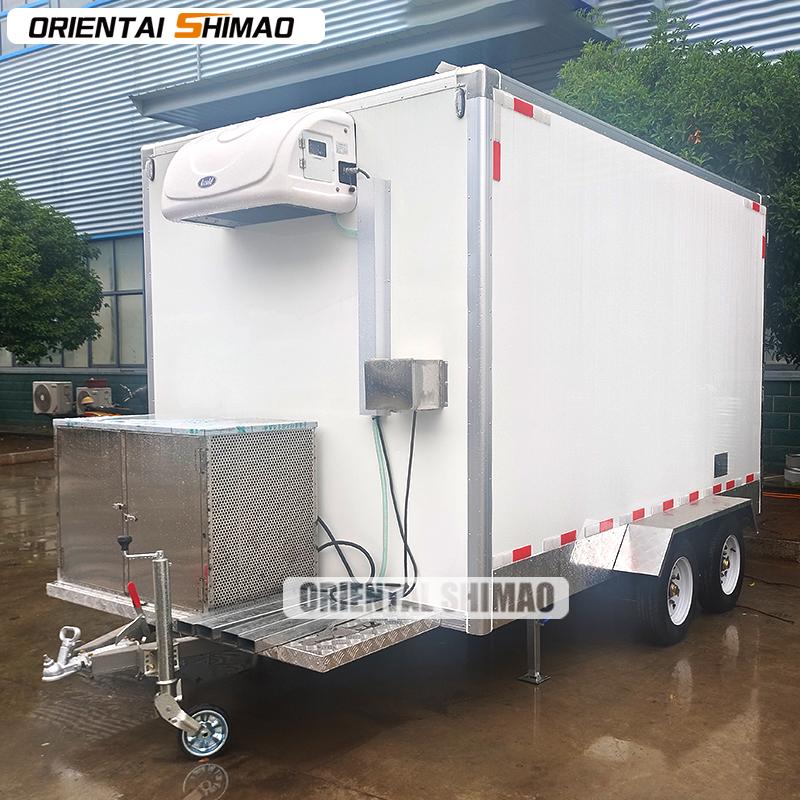
In the realm of food preservation, recent breakthroughs in cooling technologies are revolutionizing how we maintain freshness and minimize waste. From advanced refrigeration systems that precisely control humidity and temperature to smart packaging that actively regulates the environment around perishables, these innovations go beyond traditional methods. For instance, hypercooling techniques rapidly chill products to ultra-low temperatures without forming ice crystals, preserving texture and nutrients in fruits and vegetables. This not only keeps food safe for longer periods but also enhances its quality upon thawing, appealing to consumers who demand both longevity and taste.
Another cutting-edge approach involves phase-change materials integrated into cooling units or packaging. These materials absorb and release thermal energy during state changes, maintaining stable temperatures even during power fluctuations or transport. This is particularly beneficial for delicate items like seafood or pharmaceuticals, where even slight variations can lead to spoilage. Additionally, IoT-enabled cooling systems equipped with sensors continuously monitor conditions and adjust settings in real-time, ensuring optimal storage. By reducing temperature abuse, such technologies significantly cut down on food loss, helping businesses save costs and contribute to sustainability goals.
Looking ahead, the integration of renewable energy sources with these cooling solutions is gaining traction. Solar-powered refrigerators and magnetic cooling systems, which use magnetic fields to achieve cooling without harmful refrigerants, offer eco-friendly alternatives. These not only extend shelf life but also reduce carbon footprints, aligning with global efforts to combat climate change. As these technologies become more accessible and cost-effective, they are poised to transform supply chains, from farm to table, ensuring that more food reaches consumers in prime condition while minimizing environmental impact.
Proactive Maintenance Tips to Ensure Uninterrupted Cold Chain Performance
Maintaining an unbroken cold chain isn't just about fixing things when they fail; it's about getting ahead of the curve with smart, routine practices. Start by regularly calibrating temperature monitoring devices, not just when an alarm goes off. Pair this with periodic checks of refrigeration units for signs of wear, like unusual noises or fluctuating energy use, which can hint at looming issues. Keeping detailed logs of these activities helps spot trends early, turning potential disasters into manageable tweaks.
Beyond equipment, consider the human element: train staff on proper handling procedures and empower them to report minor anomalies immediately. Simple steps, like ensuring doors seal tightly or avoiding overloading storage areas, can prevent temperature excursions. Additionally, establish a schedule for cleaning condensers and inspecting insulation, as dirt buildup or moisture can silently undermine efficiency. By weaving these tasks into daily or weekly routines, you build resilience that keeps products stable without last-minute scrambles.
Finally, integrate backup plans seamlessly. This isn't just about having a spare generator; it's testing it regularly and reviewing contingency protocols with your team. Use data from your monitoring systems to predict seasonal demands or identify weak links in the chain. Engaging with suppliers and logistics partners to align maintenance practices ensures everyone moves in sync, safeguarding quality from start to finish with minimal disruption.
Real-World Strategies for Optimizing Energy Use in Refrigerated Transport
One effective approach involves implementing smart temperature control systems that adapt to cargo and external conditions, minimizing unnecessary cooling. For instance, dynamic sensors can adjust settings based on real-time weather and load specifics, reducing energy drain without compromising product integrity.
Another practical tactic is upgrading to low-energy refrigeration units and integrating solar panels or hybrid engines in transport vehicles. These innovations not only cut fuel costs but also lower emissions, making operations more sustainable and compliant with tightening environmental regulations.
Optimizing logistics through route planning and load consolidation further enhances efficiency. By reducing idle times and ensuring full truckloads, companies can significantly decrease energy consumption per shipment, leading to tangible savings and a smaller carbon footprint.
Ensuring Compliance with Food Safety Standards in Temperature-Sensitive Shipments
Temperature-sensitive shipments, particularly in the food industry, demand rigorous adherence to safety standards to prevent spoilage and ensure consumer health. Implementing protocols such as real-time monitoring with IoT sensors and using validated refrigeration units can help maintain the cold chain from origin to destination. Regular audits and staff training on handling procedures further reinforce compliance, minimizing risks of contamination or temperature deviations that could lead to product recalls or legal issues.
Beyond basic monitoring, leveraging advanced technologies like predictive analytics allows companies to anticipate potential failures in the cold chain and take proactive measures. For example, integrating data from temperature logs and weather forecasts enables timely adjustments to shipping routes or storage conditions. This not only safeguards food quality but also enhances efficiency by reducing waste and optimizing logistics, giving businesses a competitive edge in maintaining trust and regulatory approval.
In practice, collaboration with certified logistics partners and adherence to international standards, such as HACCP or ISO 22000, is crucial for consistent compliance. Establishing clear documentation and contingency plans for emergencies, like power outages or transport delays, ensures quick response and mitigation. By focusing on these dynamic strategies, organizations can move beyond mere checklist compliance to foster a culture of safety that protects both products and public health.
Cost-Effective Upgrades to Enhance Durability and Operational Efficiency
Many businesses overlook simple yet impactful upgrades that can significantly extend the lifespan of equipment while boosting performance without breaking the bank. For example, regular lubrication of moving parts and installing protective covers can prevent wear and tear, directly cutting down on repair costs and unexpected downtime. These straightforward steps not only prolong an asset's useful life but also maintain smooth operations, ensuring that investments continue to pay off over time.
Consider the switch to energy-efficient components like LED lighting or variable-speed drives, which reduce power consumption and heat generation. This shift not only lowers utility bills but also minimizes stress on systems, leading to fewer breakdowns and a more reliable workflow. By focusing on such smart modifications, companies can achieve a noticeable uptick in productivity while keeping maintenance expenses in check.
In practice, implementing predictive maintenance tools or upgrading to corrosion-resistant materials might seem like minor tweaks, but they offer a dual benefit of durability and efficiency. Tailoring these upgrades to specific operational needs—such as enhancing ventilation in high-heat areas—ensures that every dollar spent translates into tangible, long-term savings and a competitive edge through consistent, high-quality output.
FAQ
A truly efficient custom refrigerated trailer integrates advanced insulation materials, precise temperature control systems, and energy-efficient refrigeration units. Beyond basic cooling, features like multi-zone temperature settings, real-time monitoring via IoT sensors, and aerodynamic designs reduce fuel consumption. For perishables, maintaining consistent temperatures without fluctuations is critical to prevent spoilage and ensure product quality throughout long hauls.
Customization enhances reliability by tailoring the trailer to specific cargo needs and operational conditions. For example, reinforced flooring for heavy loads, upgraded seals to prevent air leaks in harsh climates, or redundant power systems for uninterrupted cooling. This reduces the risk of breakdowns and ensures the trailer performs reliably under varied stresses, unlike one-size-fits-all models that may falter in demanding scenarios.
Insulation is crucial as it minimizes heat transfer, keeping cold air in and hot air out. High-quality, custom-fit insulation materials—such as foamed-in-place polyurethane—provide better thermal resistance, reducing the workload on refrigeration units. This leads to lower energy consumption and more stable temperatures, directly cutting operational costs and extending the shelf life of perishable goods like fruits, vegetables, and pharmaceuticals.
Look for technologies like digital programmable thermostats, which allow precise setpoints, and automated defrost cycles that prevent ice buildup without manual intervention. Advanced options include GPS-linked temperature logging for real-time alerts and remote adjustments via mobile apps. These technologies ensure optimal control by proactively managing conditions, reducing human error, and adapting to external factors like weather changes.
The design impacts fuel efficiency through aerodynamics and weight optimization. Features like streamlined contours, gap reducers between tractor and trailer, and lightweight composite materials reduce drag and overall weight. This means the vehicle requires less fuel to maintain speed, lowering carbon emissions and operating costs, especially over long distances common in perishable transport.
Essential maintenance practices include regular inspections of refrigeration coils and filters to ensure clean airflow, checking door seals for wear to prevent energy loss, and calibrating temperature sensors for accuracy. Scheduled servicing of the cooling unit and electrical systems prevents unexpected failures. Proactive upkeep, based on manufacturer guidelines and usage patterns, extends the trailer's lifespan and ensures consistent performance.
Real-time monitoring is important because it provides instant visibility into temperature and humidity levels, allowing for quick responses to anomalies that could spoil goods. With IoT sensors and cloud-based dashboards, operators can track conditions remotely, receive alerts for deviations, and document compliance with safety regulations. This proactive approach minimizes loss, enhances traceability, and builds trust with clients by ensuring product integrity.
Conclusion
Custom refrigerated trailers are essential for transporting perishable goods efficiently and reliably, with key considerations including selecting the right trailer based on cargo-specific temperature and humidity needs, such as fresh produce or frozen foods, to prevent spoilage. Integrating innovative cooling technologies like advanced insulation and smart temperature controls can extend shelf life, while proactive maintenance, such as regular inspections and calibration of sensors, ensures uninterrupted cold chain performance and minimizes breakdowns during transit.
To optimize operations, real-world strategies for energy efficiency—such as route planning and solar-powered refrigeration—help reduce costs and environmental impact. Ensuring compliance with food safety standards, like HACCP and FDA regulations, is critical for temperature-sensitive shipments to avoid contamination. Additionally, cost-effective upgrades, such as LED lighting or improved door seals, enhance durability and operational efficiency, making custom trailers a worthwhile investment for maximizing transport reliability and minimizing waste in perishable supply chains.
Contact Us
Contact Person: Jack Wang
Email: [email protected]
Tel/WhatsApp: 8618306483516
Website: https://www.orientalshimaofoodtruck.com